

Defining the Hybrid-Native Category: Repositioning Webex Events from Niche Platform to Market Leader
Executive Summary
When the COVID-19 pandemic hit in 2020, in-person events disappeared overnight. Virtual platforms exploded just as quickly, flooding the market with tools designed for urgency, not intention.
What followed was confusion. Webinars posing as events, “hybrid” used interchangeably to mean everything and nothing, and organizations struggling to understand how events fit into their future at all.
At the center of this reset was Socio, a fast-growing in-person event platform that was acquired by Cisco and reintroduced to the market as Webex Events.

I joined as the first official team member post-acquisition, stepping into lead global content strategy and manage a team of 5 multidisciplinary strategists and creatives during a moment defined by uncertainty, and an industry actively redefining itself.
By reframing events as flexible, continuous engagement systems (not formats or moments), we gave the market new language, and helped to redefine the category itself.
The result was a unified narrative, a scalable content engine, and measurable impact:
- 10x organic traffic growth
- 4x engagement lift
- Tripled marketing-sourced revenue as Webex Events scaled from
$10M → $25M ARR over two years - Global reach across 30+ countries through Event Horizons podcast
- Clear leadership position in G2 Seasonal Grid reports.
The Challenge
Socio was built for in-person events such as conferences, trade shows, and large-scale gatherings where physical presence was assumed.
When the pandemic hit, that assumption vanished overnight. Interest in virtual platforms surged, but the industry lacked clarity, strategy, and a shared understanding of what “events” even meant anymore.
By the time I joined the team, the events industry was upside down. The friction wasn’t just the pandemic; it was the lack of a shared language for what came next.

In-person events were beginning to return in limited ways. Virtual fatigue was real. Hybrid was emerging, but there was a lot of confusion surrounding it.
At the same time, Socio was being rebranded as Webex Events, bringing with it the weight, expectations, and scale of the Cisco and Webex ecosystems.
This created a uniquely complex challenge:
- A category in flux, redefining itself in real time
- A product evolving rapidly to meet new use cases
- A brand transformation from startup identity to enterprise platform
- A global audience spanning marketers, event strategists, internal comms teams, and community leaders — all with different needs and levels of maturity
Without clear narrative leadership, Webex Events risked being perceived as a rebranded virtual events tool, a temporary pandemic solution, or just another platform in an overcrowded market.
We were operating in the ‘Acquisition Chasm.’ On one side was the scrappy, fast-moving Socio culture; on the other, the high-governance requirements of the Cisco machine. This created a ‘narrative paralysis’ where the team was afraid to move too fast but couldn’t afford to move slowly.
What was needed wasn’t more features or faster messaging.
It was clarity, meaning, and direction, both internally and externally.
I acted as the cultural translator, building a narrative framework that respected Socio’s agility while satisfying Cisco’s need for enterprise scale.
Defining the Narrative
The breakthrough wasn’t virtual vs. in-person.
It was recognizing that the industry was asking the wrong question.
Instead of debating formats, we reframed the conversation around flexibility and continuity. Events weren’t static moments in time anymore. They were ongoing and adaptive systems of touchpoints that needed to support audiences across time, channels, and modes of participation.

Working closely with product, marketing, customer success, and leadership, we introduced the concept of hybrid-native events:
- From formats to flexibility: Attendees should choose how they participate and be able to change their mind without friction.
- From moments to journeys: Events are milestones within longer audience relationships, not isolated campaigns.
- From tools to experiences: Technology should enable connection, creativity, and engagement, not hinder the experience.
This narrative gave the market language it didn’t yet have at a moment when everyone was searching for answers. It also positioned Webex Events not as a reactive platform, but as a strategic partner helping organizations rethink engagement altogether.
Turning the Story Into a System
Narrative clarity only mattered if it could scale, quickly and globally.
I led a team of five strategists and creators responsible for translating this point of view into a cohesive, repeatable content system that supported the rebrand, the evolving product, and the market’s need for guidance.
This system included:
- Analyst-facing assets and sponsored thought leadership
- Original industry research and data-driven reports
- Best-in-class virtual and hybrid event series
- Customer stories showcasing real-world applications
- Downloadable tools, templates, and planning frameworks
- Two full seasons of Event Horizons, a global thought leadership podcast
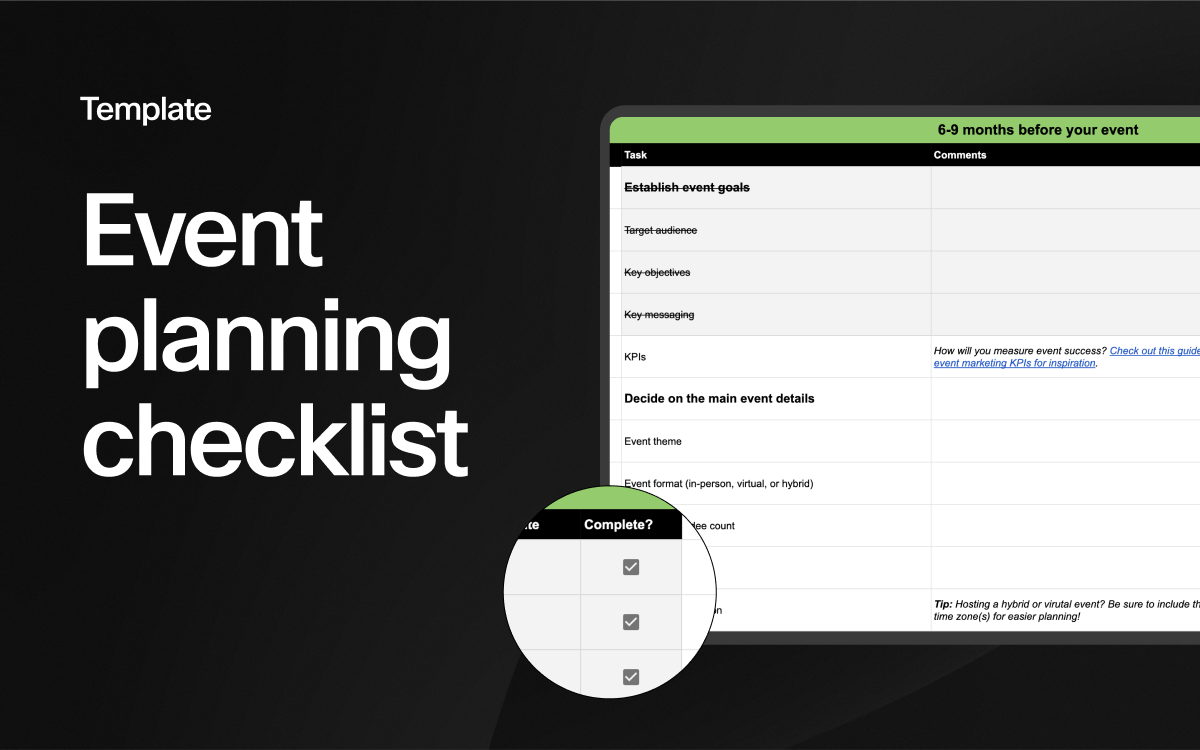


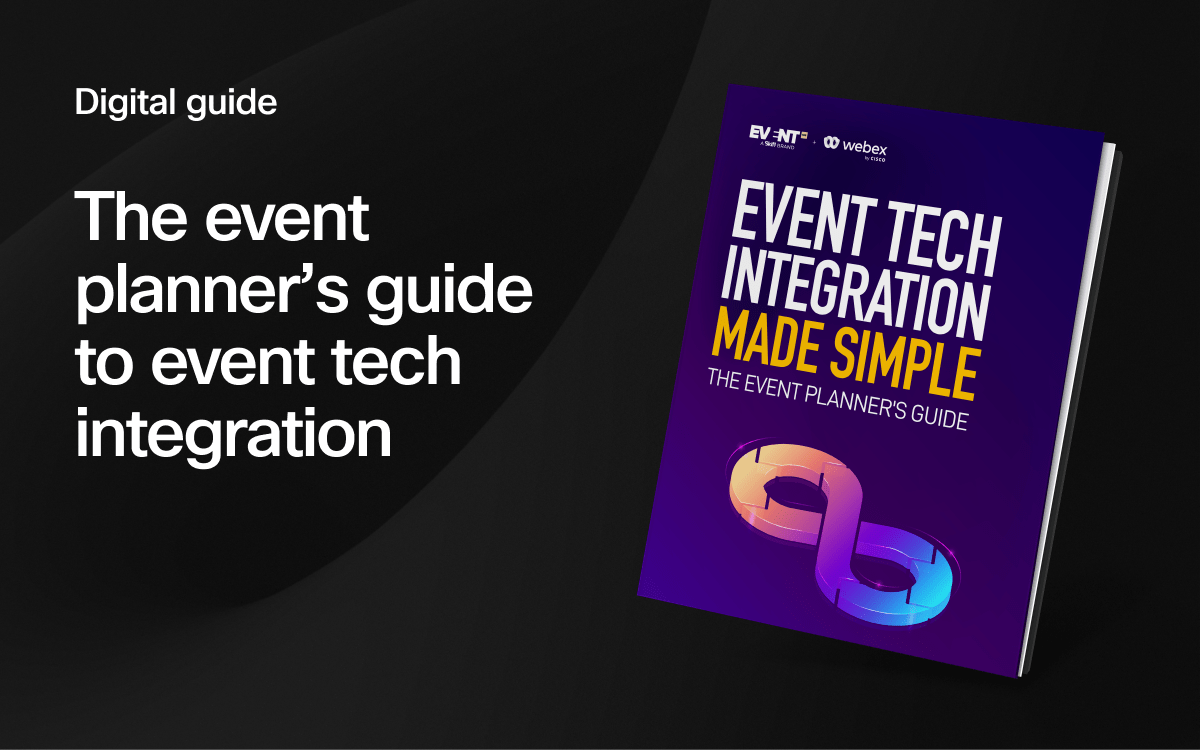
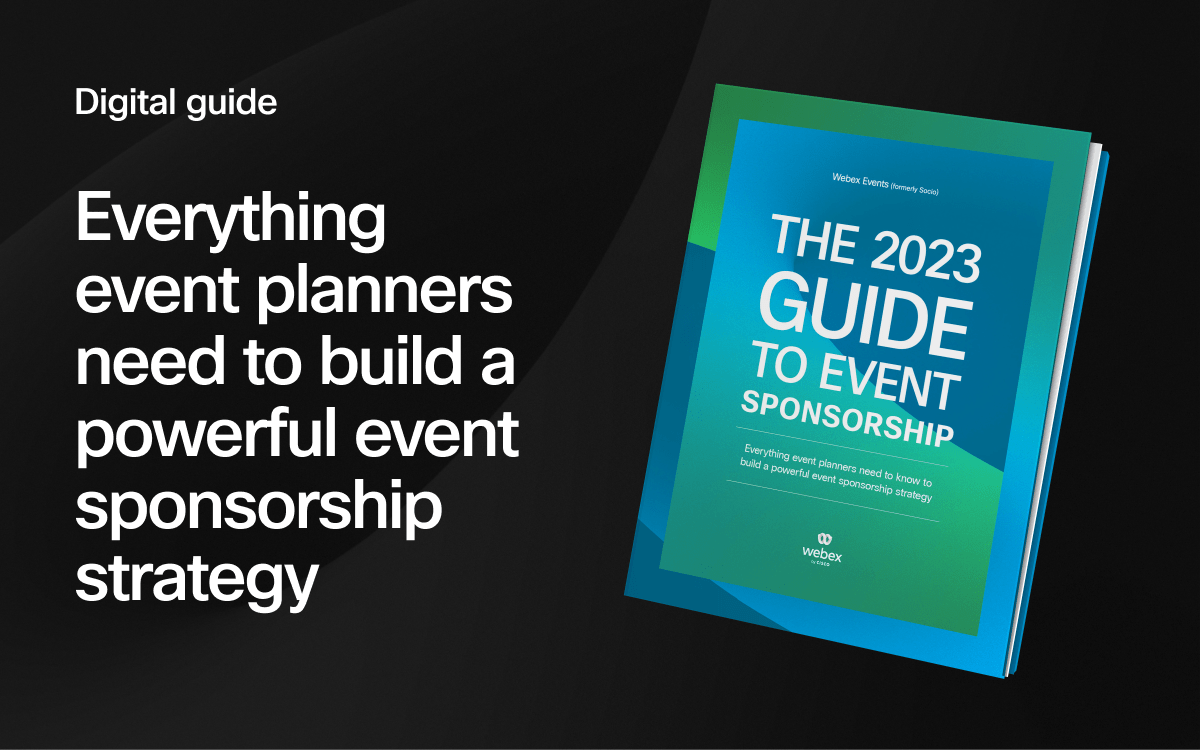
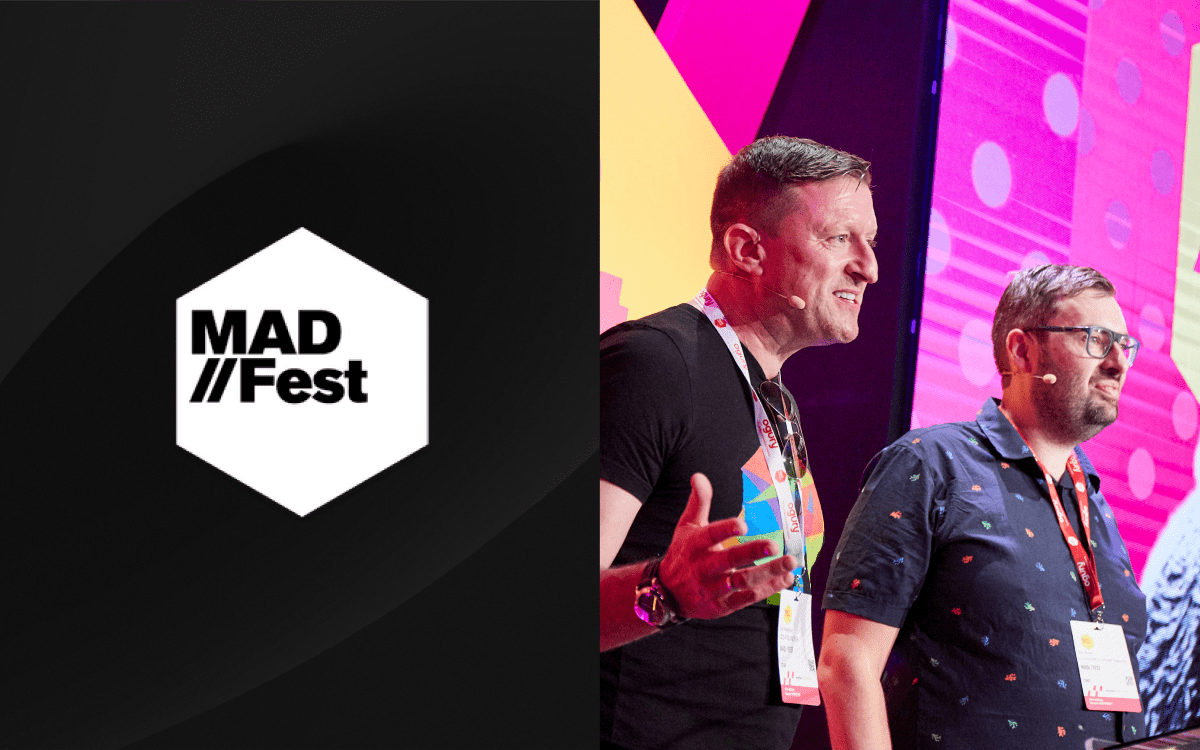

Rather than reinventing the story for each asset, every piece reinforced the same core beliefs — adapted for audience, format, and intent. The goal wasn’t content volume. It was coherence at scale amid chaos and uncertainty.
Engineering Discovery
In a disrupted category, discovery comes from leadership, not promotion.
We engineered discovery around how modern event leaders were learning in real time: through peer insights, trusted voices, research-backed guidance, and practical frameworks they could immediately apply.

SEO-optimized thought leadership, original research, and long-form educational content became the foundation of organic growth, helping Webex Events show up before platform evaluation.
Discovery became synonymous with clarity and Webex Events became a reference point for how the category talked about itself.
- 10x organic traffic growth
- 4x engagement lift
- Global reach across 30+ countries from Event Horizons podcast
- 3rd party analyst validation
Activating Belief
In moments of uncertainty, belief is earned through validation.
We grounded the narrative in customer success stories, enterprise use cases, and real-world outcomes that showed hybrid-native thinking in action.
Analyst engagement reinforced this credibility, culminating in Webex Events earning a clear leadership position in G2 Enterprise Grid Matrix reports.


These signals mattered deeply. Buying groups were cautious, overwhelmed, and risk-averse. Third-party validation, peer examples, and shared language reduced uncertainty and helped teams advocate internally for change.
Belief wasn’t manufactured. It was built through consistency, proof, and relevance.
Impact & What Changed
Webex Events didn’t just survive a category reset, it helped define what came next.
Internally, the work aligned teams around a shared identity and direction during a complex rebrand and rapid product evolution.

Externally, it repositioned Webex Events as a leader in flexible, hybrid-native experiences at a time when the industry desperately needed clarity.
During this time, we tripled marketing-sourced revenue and Webex Events scaled from $10 million → $25 million ARR over two years.
Most importantly, it demonstrated that during moments of disruption, leadership isn’t about reacting faster. It’s about helping the market understand itself again — and giving people confidence to move forward, even when the future is still taking shape.